


HomeSkills and EducationProjectsContact

Heat Transfer Manipulation of Friction Based Braking System
All material © Copyright 2015 Adam Thomas
Design
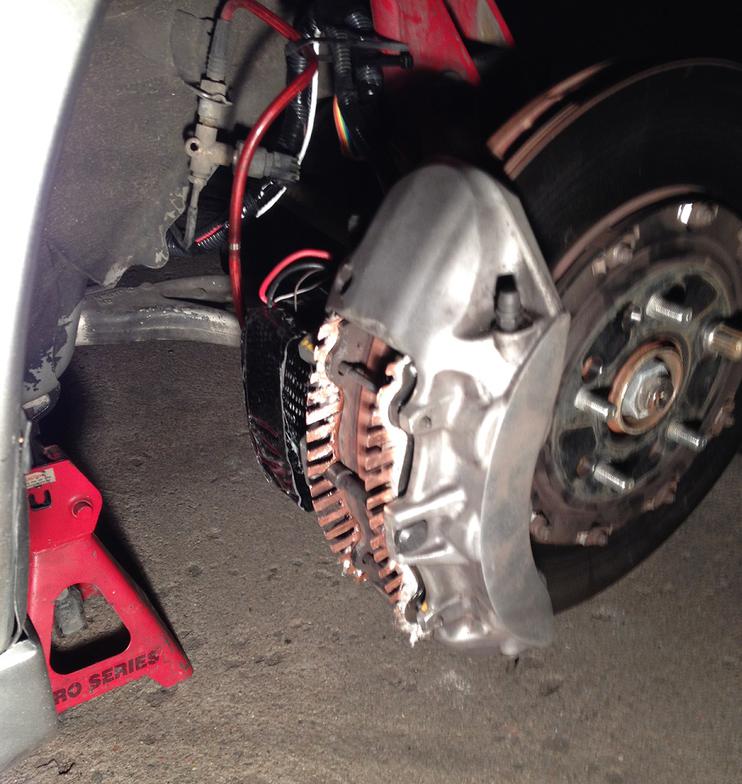
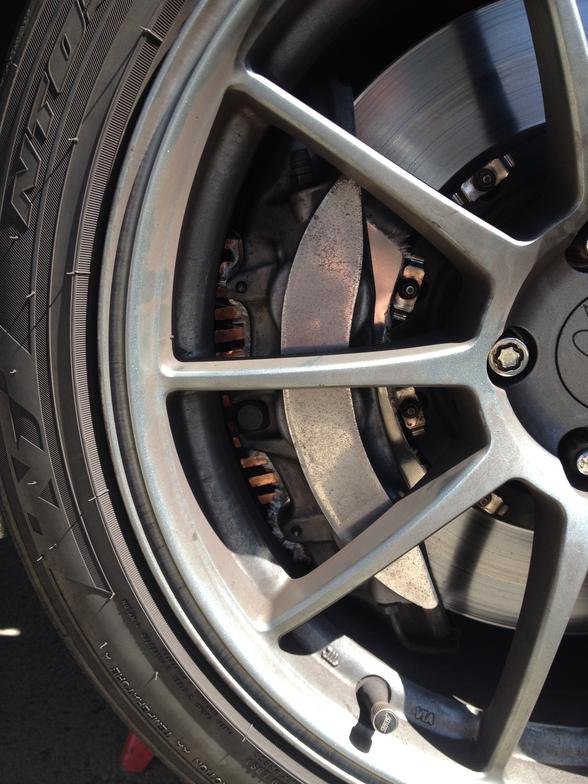
Our goal for this project was to create an inexpensive cooling system that could be easily integrated with an existing braking solution. We started with the concept that more airflow to the rotor increases cooling ability and thermal insulation of vulnerable components reduces the possibility of failure. A high flow fan with ducting was used to supply the rotor with ambient air and thermal shims were used to isolate the caliper from high temperatures. The solution is further explained in the photo gallery.
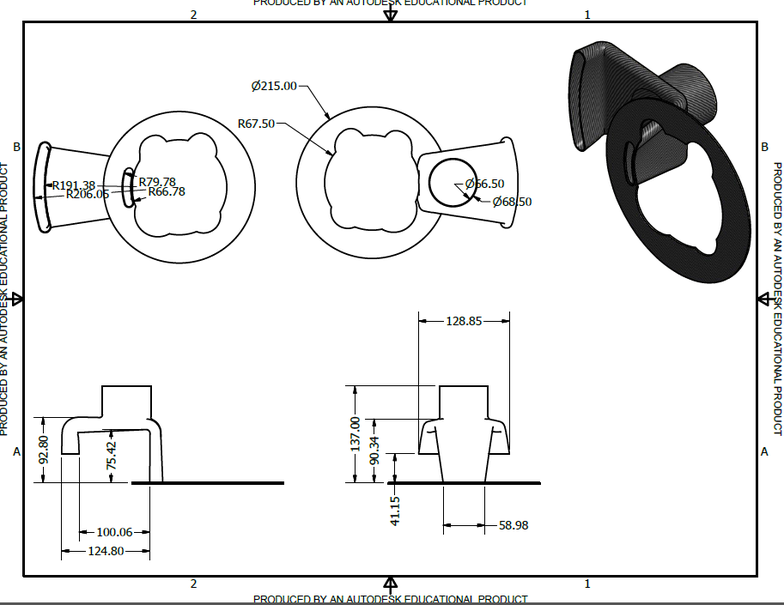
Air Ducting Design
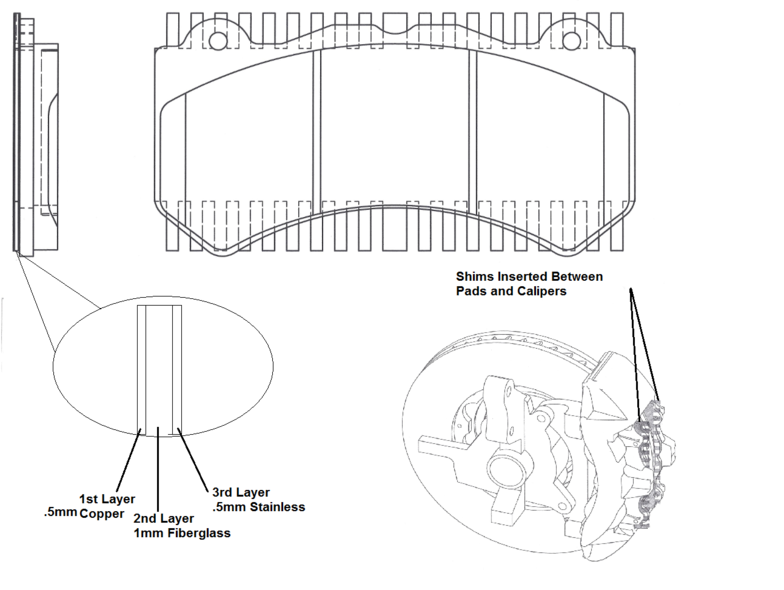
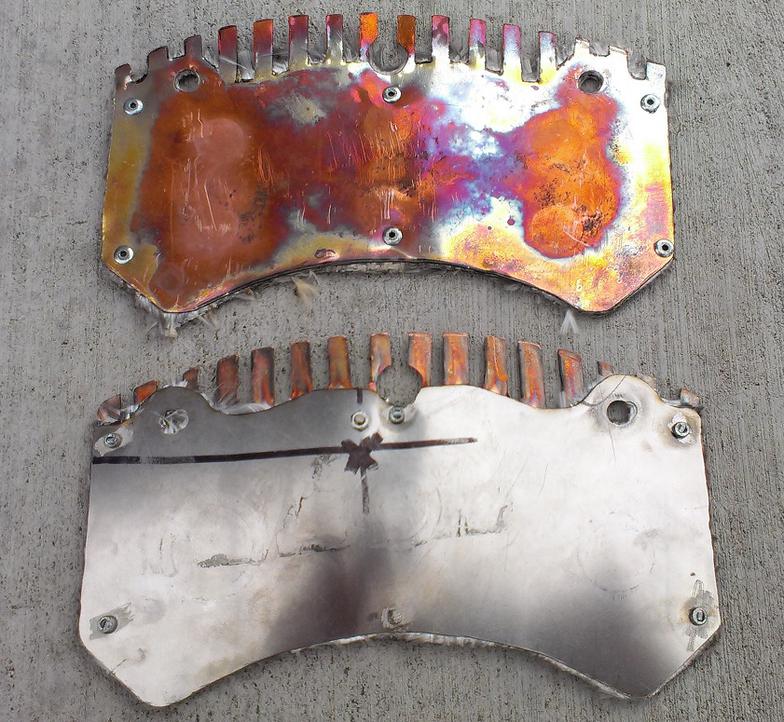
The thermal shim is positioned between the brake pad backing and the caliper pistons. It consists of 3 layers.
Layer 1: 0.5mm copper plate w/ fins designed to draw heat away from the brake pad.
Layer 2: 1.0mm layer of fiberglass fabric, designed to provide thermal insulation.
Layer 3: 0.5mm stainless steel plate to provide rigidity to the internal fiberglass layer and act as a thermal barrier.
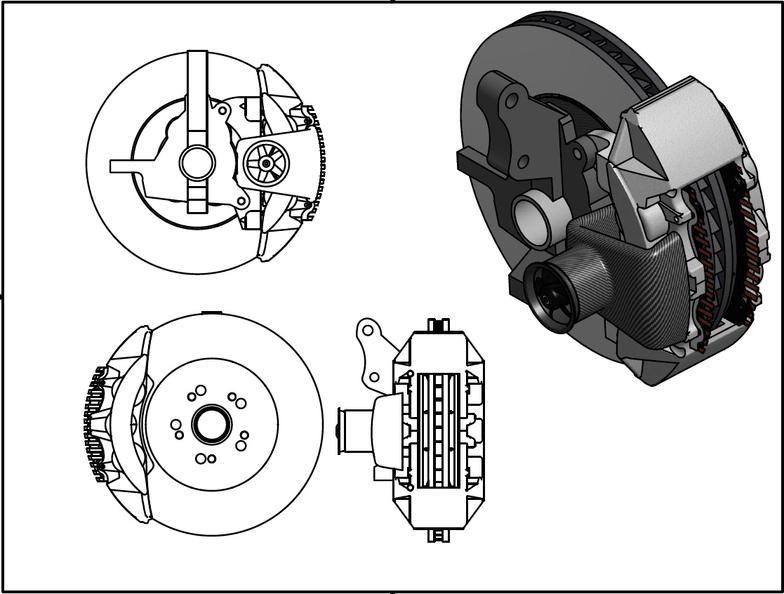
This is a 3-D rendering of the brake cooling design. The design utilizes a high flow fan to feed ambient air to the rotor along with thermal shims that isolate the pad from the caliper and in conjunction block and draw heat away, reducing the possibility of boiling the brake fluid.
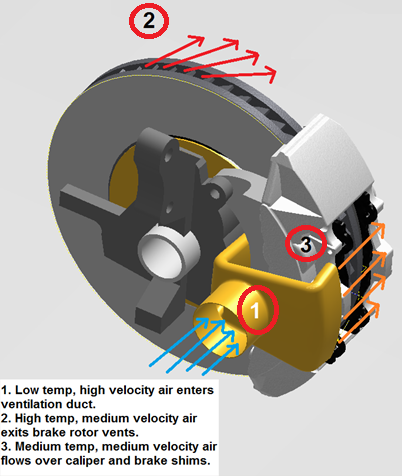
Air Flow Diagram
Transient Heat Transfer Analysis
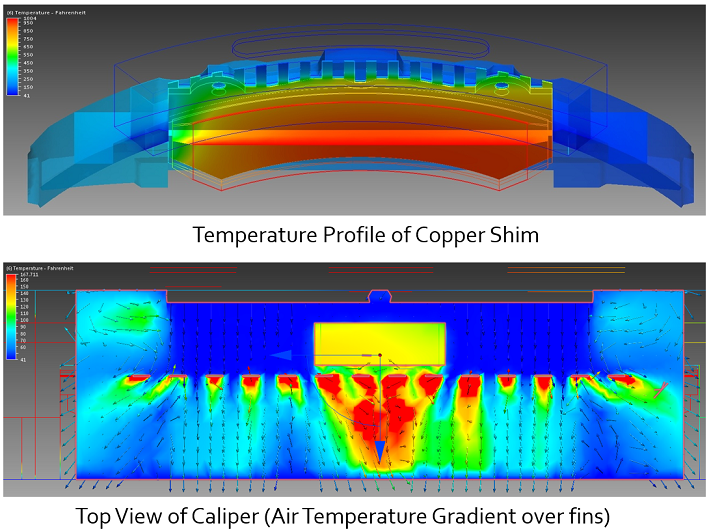
Cooling Flow and Characteristics Over Thermal Shims
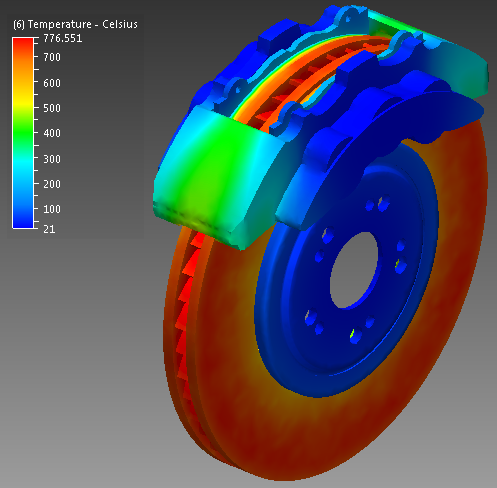
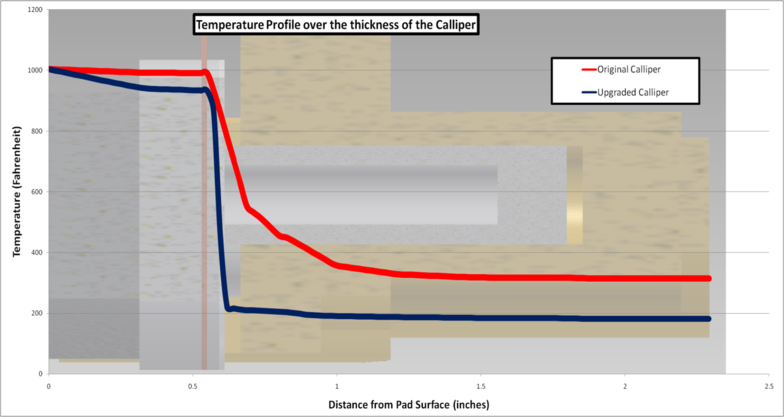
A CFD simulation results comparing the temperature gradients over the thickness of the brake caliper from the pad surface to the back of the brake caliper.
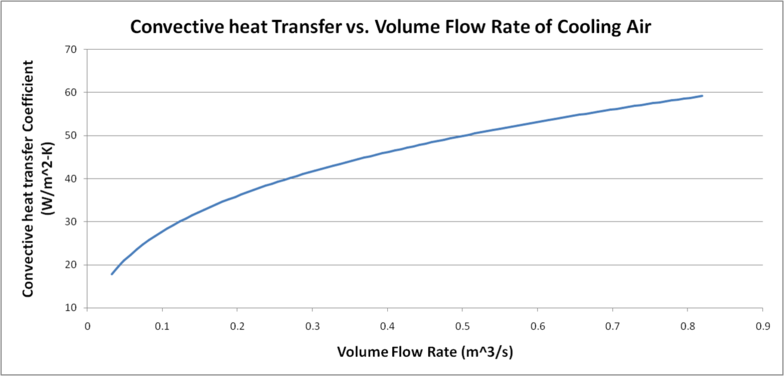
This graph shows how more air flow to the brake rotors increases the cooling ability of the rotor. This is extremely important as approximately 94% of the heat energy is absorbed into the brake rotor as apposed to the brake caliper during a braking event. This number can and will change depending on the thermal conductivity, thermal diffusivity, and the surface are a ratio of the rotor and pad.
Testing and Analysis
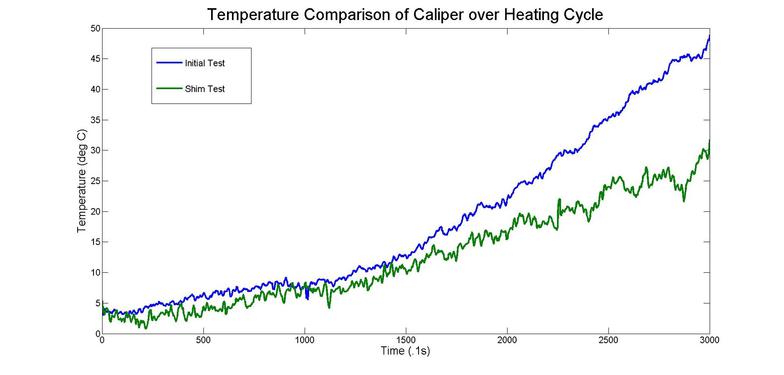
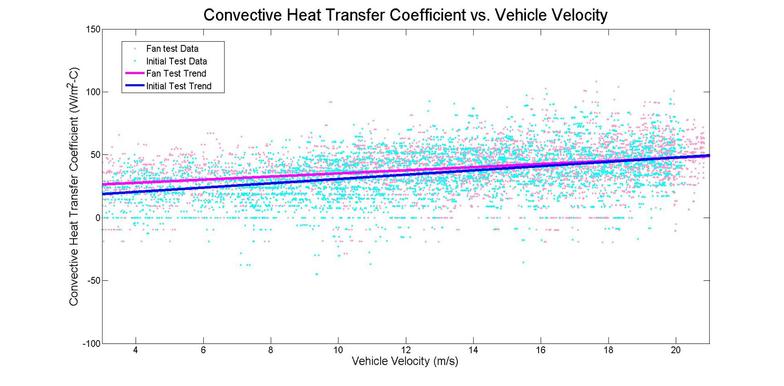
A data acquisition system was used to gather information about the thermal characteristics of the original system and upgraded solution. It was shown that the thermal shims were able to reduce the caliper temperature by about 40%. The extra airflow to the rotor increased the cooling ability at lower vehicle velocities, but as the vehicle surpassed about 50 mph, the rotors internal veins pumped more air than the fan allowed. This became a hindrance to the cooling of the rotor. A further possible solution would be to create a bypass valve that opens at higher speeds.
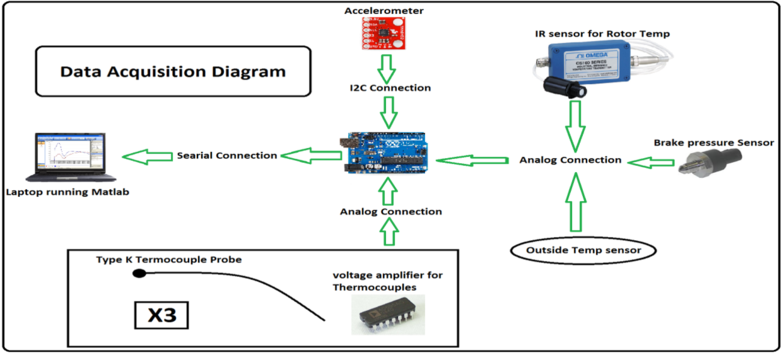
Data Acquisition Components
Temperature Data

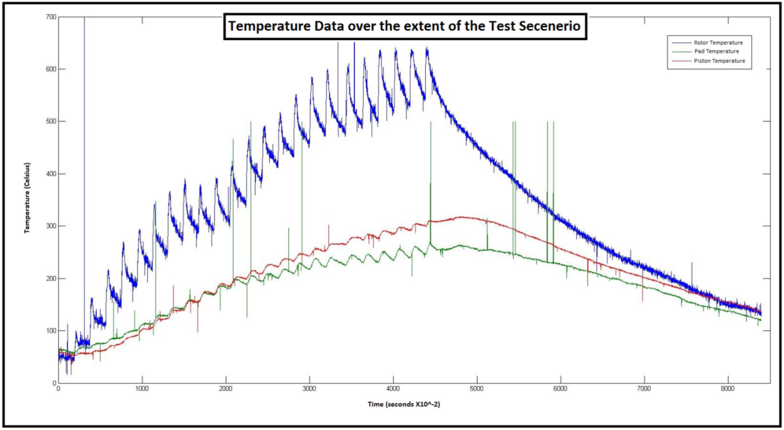
Temperature Data during a test cycle where the vehicle was accelerated and decelerated repeatedly every 15 seconds from 80 mph to 30 mph. The blue line represents the rotor temperatures which spike every braking occurrence. In total, 23 braking cycles were conducted.
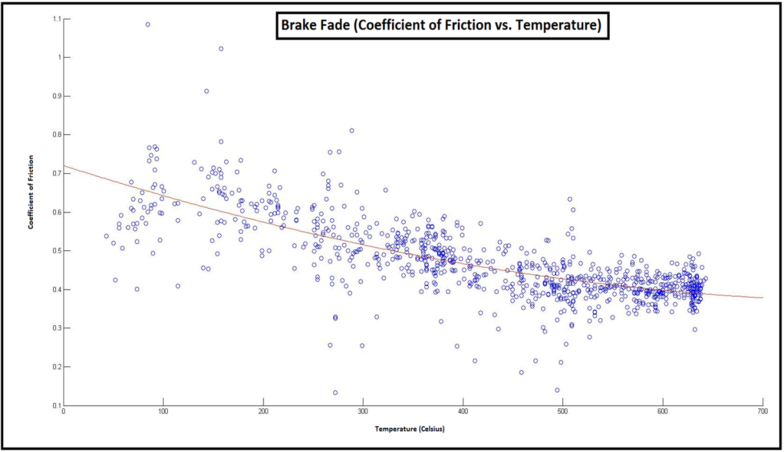
Brake Fade

Brake Fade was extrapolated from the test data to show how the coefficient of friction is drastically reduced as the rotor temperature increases.
Rotor Temperature during Test Cycles

Three different test cycles were conducted. (1) Initial test without any fans or shims installed [red]. (2) Test with no shims installed and only the fan blowing air into the rotor veins [blue] and (3) Final test with the complete system, shims + fan [green].
Temperature Comparison of Caliper

The temperature of the caliper was drastically reduced with the thermal shims installed. These results correlate closely to the CFD results.
Effect of the Fan on the Rotor

These results show the effect of the fan and ducting blowing air into the rotor. As the vehicle is moving, the internal veins of the rotor are capable of flowing a large amount of air on their own.
Final Product
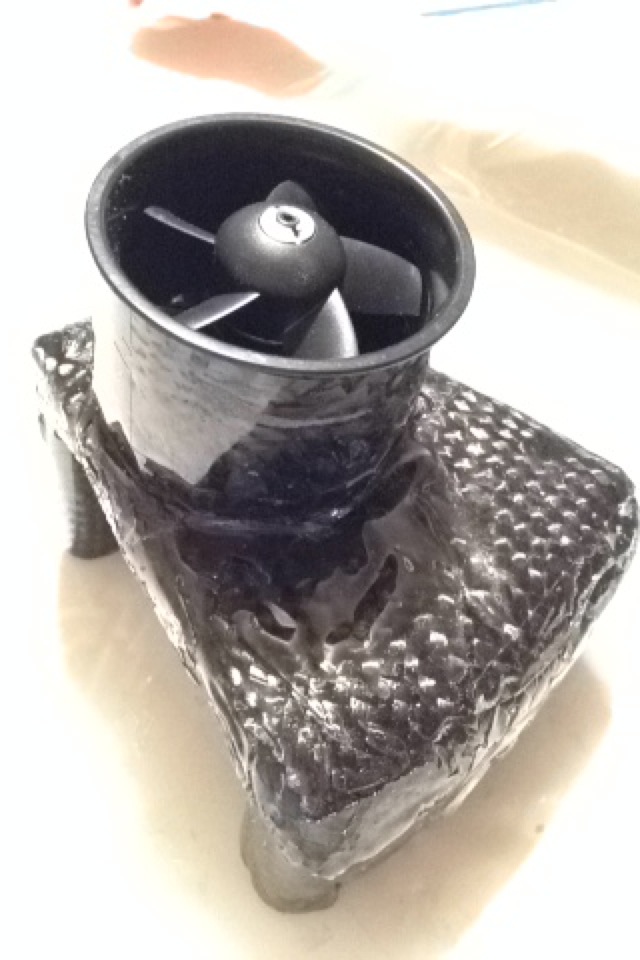
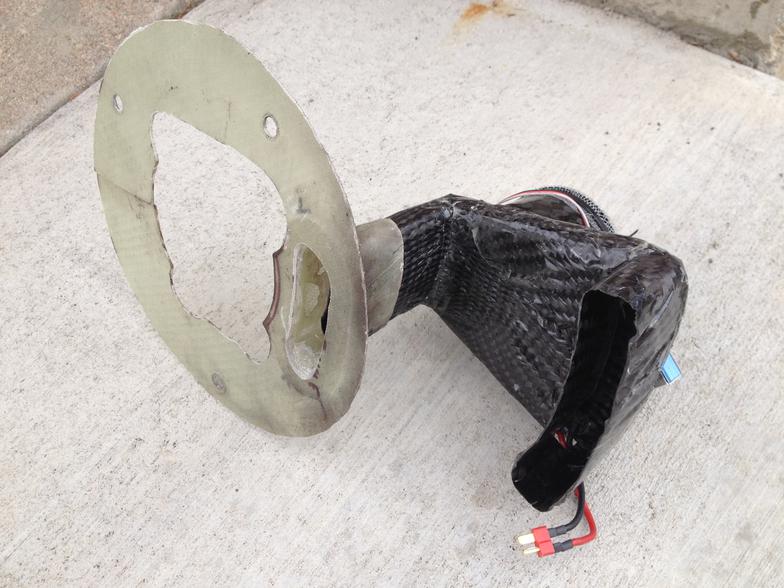
A prototype was fabricated using fiberglass and carbon fiber composites for the ducting, a high flow RC fan was used to create the air flow and a copper, fiberglass, and stainless steel shim was used to insulate the caliper.
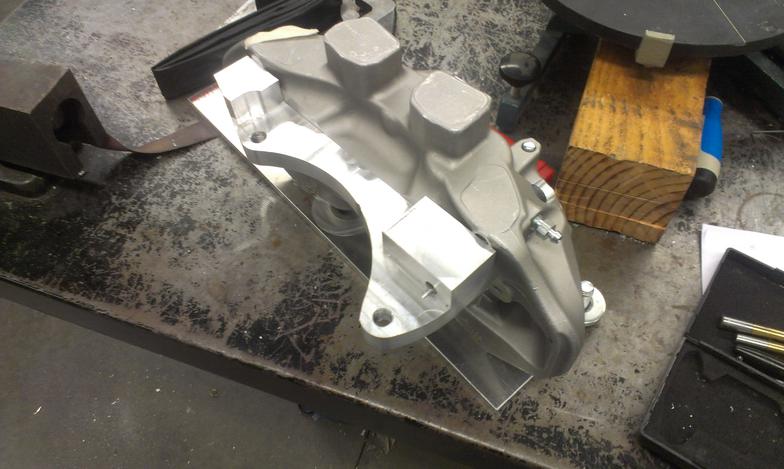
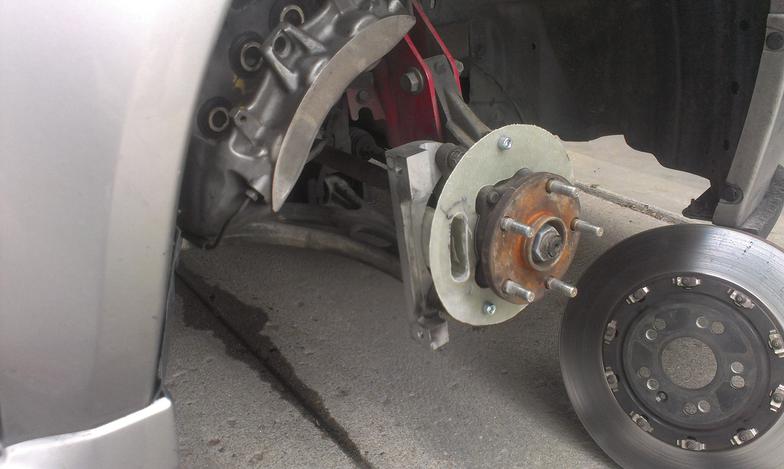
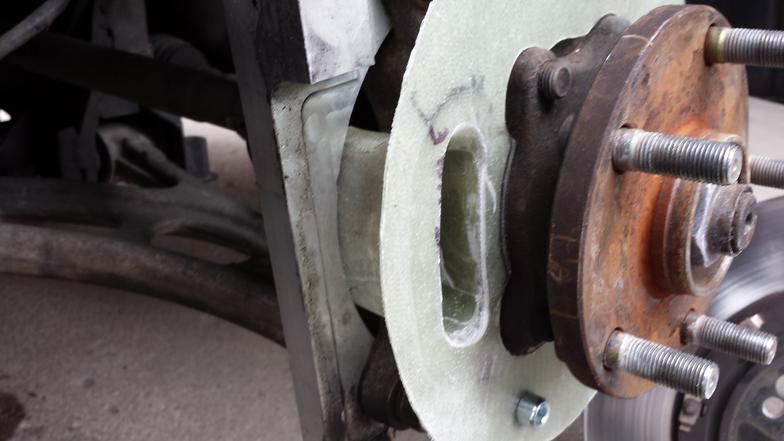
Custom Aluminum Bracket
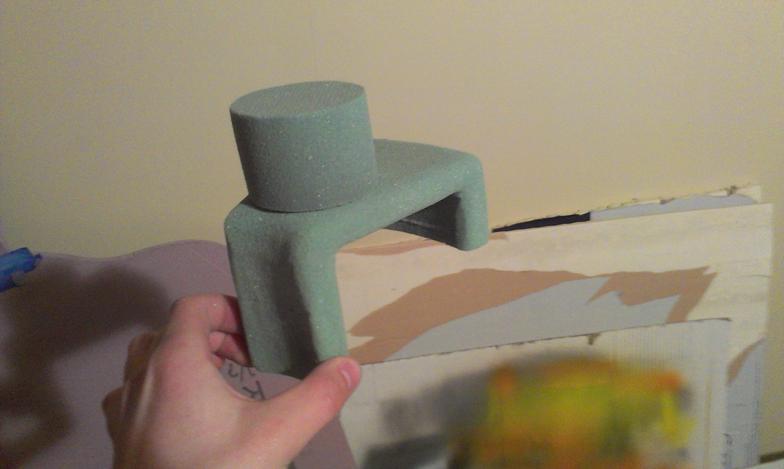
Air Ducting Foam Form for wet layup
Completed Carbon Fiber Air Duct with Fan Installed
Fan Shield Installed
Fan Shield Installed (closer view)
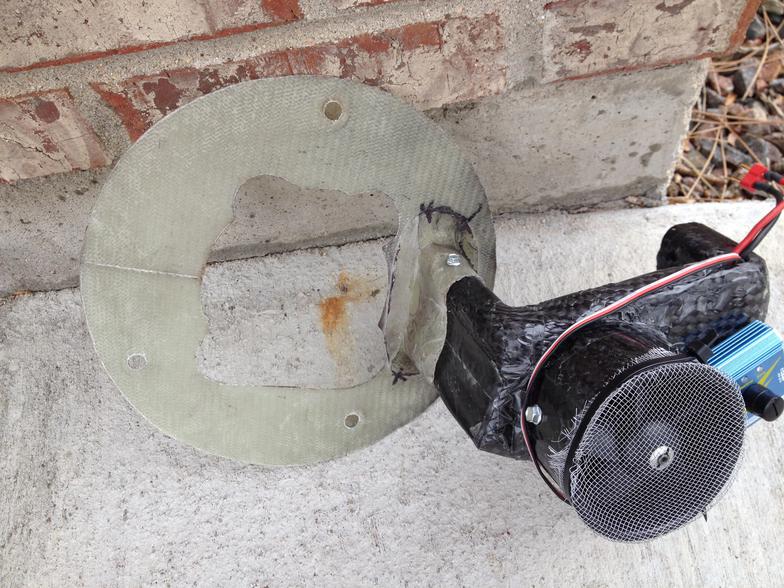
Fan Shield with Ducting assembly (front view)
Fan Shield with Ducting (rear view)
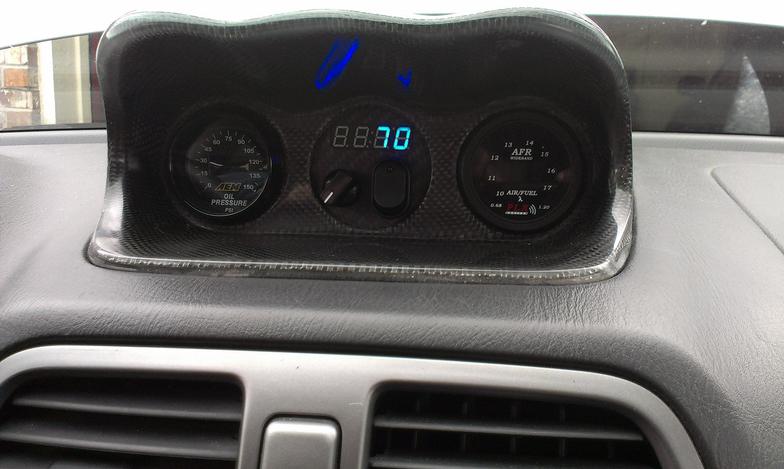
In Dash Fan Controller

Fan Controller with Rotor Temperature readout.
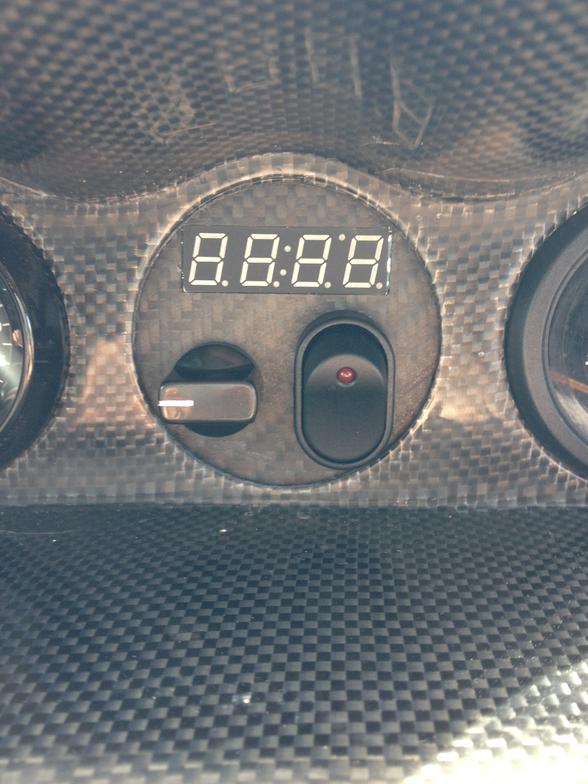
In Dash Fan Controller (zoomed)
Thermal Shims 

The top shim shows the copper side, while the bottom shim shows the stainless steel side.
Full Cooling System Installed
Full Cooling System with wheel installed